
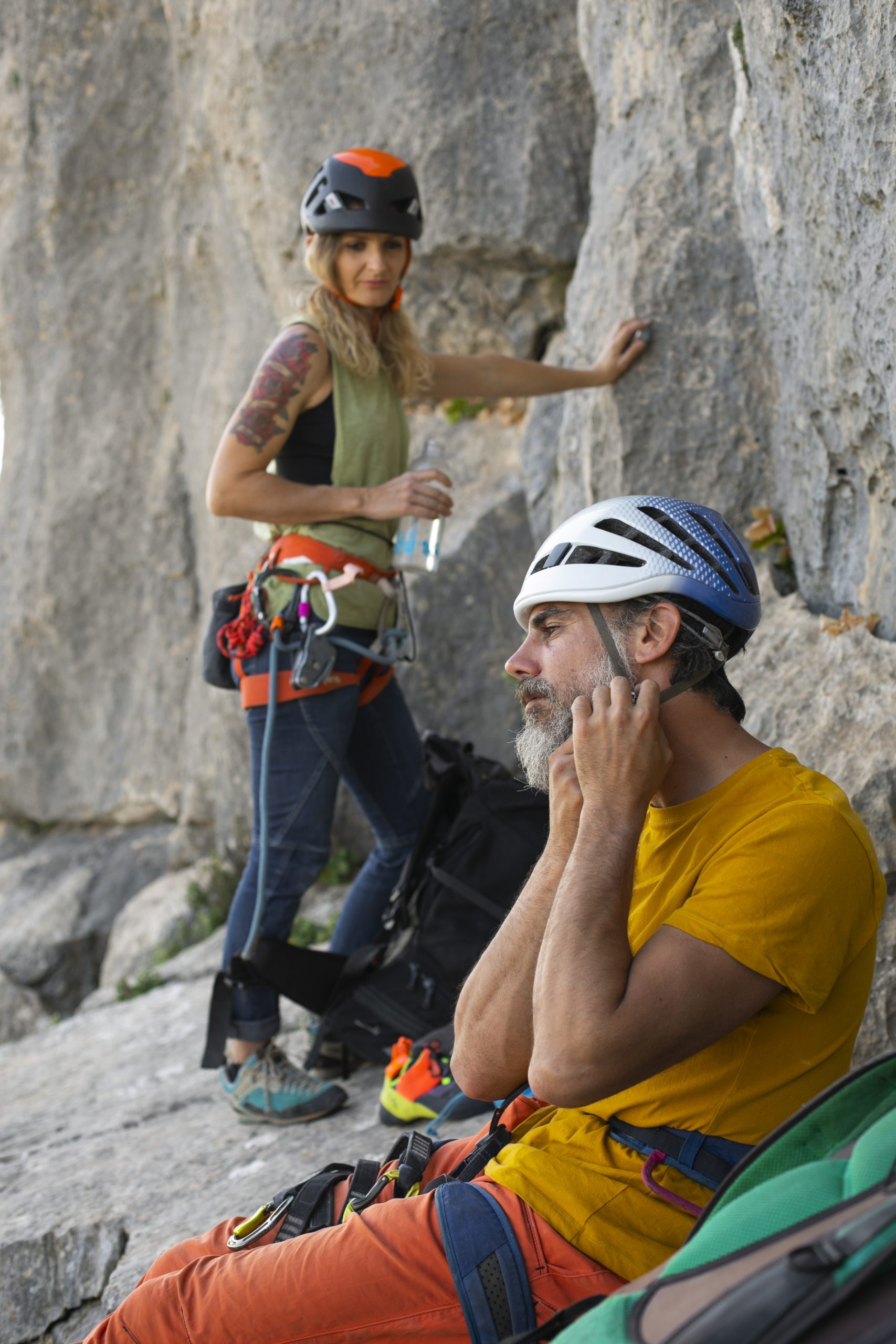
In 2021, a bystander at a climbing crag was struck by a falling rock, knocked loose by a party high above. Even with a helmet, he required a medically-induced coma to recover, but without it, the outcome could have been fatal (Climbing House, 2022).
This sobering incident underscores a critical truth: a rock climbing helmet is not just gear—it’s a lifeline. As climbing continues to surge in popularity, with the global climbing gear market projected to grow at a 5.8% CAGR through 2030, choosing the right helmet is more important than ever. Whether you’re scaling alpine peaks, tackling multi-pitch trad routes, or crushing sport climbs, the best rock climbing helmets for 2025 combine cutting-edge safety, lightweight design, and sleek aesthetics. This article reviews the top 10 helmets, explores safety standards, and offers a buyer’s guide to help you find the perfect fit. Let’s dive into the gear that keeps you safe and stylish on the rock.
Why Rock Climbing Helmets Are Non-Negotiable
The Life-Saving Role of Helmets
Rock climbing helmets are your first defense against falling rocks, dropped gear, and head injuries during falls. A 2020 study revealed that 45% of climbing-related head injuries are concussions, many of which could be prevented or mitigated by wearing a helmet. Beyond statistics, real-life stories drive the point home. In 2021, a climber’s helmet absorbed the impact of a rockfall, preventing a potentially fatal injury (Climbing House, 2022). Helmets are essential for all outdoor climbing disciplines—trad, sport, alpine, and even some indoor scenarios where overhead hazards exist.
Debunking Common Myths
Despite their importance, some climbers skip helmets due to misconceptions. Let’s clear the air:
- Myth: “Helmets are too heavy.” Modern helmets, like the Petzl Sirocco (170g), are featherlight yet robust.
- Myth: “I don’t need a helmet for indoor climbing.” Falling gear or unexpected impacts can occur in gyms, too.
- Myth: “Helmets ruin my style.” Today’s helmets come in vibrant colors and sleek designs, perfect for Instagram-worthy crag shots.
Call to Action: Join the climbing community’s #HelmetUp movement to prioritize safety and share your commitment on social platforms like X.
What Makes a Helmet Safe?
Understanding Safety Standards
Not all helmets are created equal. To ensure protection, look for certifications from the International Climbing and Mountaineering Federation (UIAA) and the European Committee for Standardization (CEN). Here’s what they mean:
- CE EN 12492: This European standard tests helmets for:
- Shock Absorption: A 5kg mass dropped from 2m (crown) or 0.5m (front, sides, rear) must transmit less than 10kN of force to the headform.
- Penetration Resistance: A 3kg conical striker dropped from 1m must not contact the headform.
- Retention System: Chinstraps must withstand over 500N of force without breaking.
- UIAA 106: A stricter standard, requiring a maximum force of 8kN for shock absorption and additional multi-angle impact tests for enhanced protection (WeighMyRack, 2022).
- Petzl’s Top and Side Protection: Some Petzl helmets (e.g., Sirocco, Meteor) exceed standard requirements, offering enhanced side and rear impact protection, tested with a 5kg mass dropped from 0.5m at a 90° angle (Petzl, 2018).
- MIPS Technology: A low-friction layer allows the helmet to rotate 10–15mm during angled impacts, reducing rotational forces that can cause concussions (Uvex Sports, 2025).
Verifying Certifications
Always check for “CE EN 12492” or “UIAA 106” labels on the helmet or packaging. Use the UIAA Certified Equipment Database to confirm authenticity, as counterfeit gear can compromise safety. Avoid non-certified helmets or those claiming “made to the same specs” without official testing (Outdoor Life, 2025).
The 10 Best Rock Climbing Helmets for 2025: Reviews and Features
After analyzing expert reviews, field tests, and user feedback from sources like Outdoor Life, GearJunkie, and GearLab, we’ve curated the top 10 rock climbing helmets for 2025. Each model balances safety, weight, durability, and style, catering to various climbing disciplines and budgets. Below, we detail their specs, pros, cons, and ideal use cases, followed by a comparison table.
- Petzl Sirocco
- Weight: 170g (M/L)
- Features: EPP/EPS foam, CE EN 12492/UIAA 106, ski touring certification, simple buckle closure, excellent ventilation.
- Pros: Ultra-lightweight, great for alpine and multi-pitch, comfortable fit.
- Cons: Exposed foam less durable, premium price.
- Best For: Alpine climbers prioritizing weight savings.
- Black Diamond Vision MIPS
- Weight: 250g (M/L)
- Features: EPP/EPS foam, ABS shell, MIPS, CE EN 12492, adjustable v-yoke straps.
- Pros: Durable, rotational impact protection, comfortable for all-day use.
- Cons: Slightly heavier than ultra-light models.
- Best For: All-around climbers seeking durability and safety.
- Black Diamond Half Dome
- Weight: 330g
- Features: ABS shell, EPP foam, CE EN 12492, adjustable wheel.
- Pros: Affordable, highly durable, ideal for beginners or groups.
- Cons: Heavier, less stylish.
- Best For: Budget-conscious climbers, institutional use.
- Mammut Wall Rider MIPS
- Weight: 225g
- Features: EPP foam, MIPS, CE EN 12492/UIAA 106, replaceable padding.
- Pros: Lightweight, enhanced safety, good ventilation.
- Cons: Higher price point.
- Best For: Trad and alpine climbers needing protection and comfort.
- Petzl Meteor
- Weight: 240g
- Features: Polycarbonate shell, EPS foam, CE EN 12492, adjustable slider.
- Pros: Affordable, durable, well-ventilated.
- Cons: Less comfortable adjustment system.
- Best For: Budget climbers, mountaineering.
- Mammut Haute Route
- Weight: ~300g
- Features: Triple-certified (climbing, skiing, cycling), ABS shell, EPS foam.
- Pros: Versatile, durable, space-saving for multi-sport athletes.
- Cons: Bulkier than climbing-specific helmets.
- Best For: Multi-sport adventurers.
- Salewa Piuma 3.0
- Weight: 175g
- Features: EPP/EPS foam, ABS top shell, CE EN 12492/UIAA 106, four-season use.
- Pros: Lightweight, durable, versatile.
- Cons: Premium price.
- Best For: Alpine and multi-sport climbing.
- Singing Rock Penta
- Weight: 205g
- Features: Polycarbonate shell, EPS foam, CE EN 12492, versatile fit.
- Pros: Affordable, comfortable, good for all-around use.
- Cons: Limited color options, no MIPS.
- Best For: Budget climbers, all-around use.
- Smith Summit MIPS
- Weight: ~350g
- Features: ABS shell, EPS foam, MIPS, dual-certified (climbing, skiing).
- Pros: Durable, multi-sport certified, rugged protection.
- Cons: Heavier than competitors.
- Best For: Multi-sport climbers in rugged environments.
- Wild Country Session
- Weight: 230g
- Features: Polycarbonate shell, EPS foam, CE EN 12492, sunglass/goggle compatibility.
- Pros: Affordable, versatile, well-ventilated.
- Cons: No MIPS or UIAA 106 certification.
- Best For: Budget climbers, cragging, and multi-pitch.
Climbing Helmet Buyer’s Guide: Finding Your Perfect Fit
How to Choose the Right Helmet
Selecting the best rock climbing helmet depends on your climbing style, budget, and preferences. Here’s a step-by-step guide:
- Measure Your Head: Use a tape measure to find your head circumference (above ears and eyebrows). Most helmets offer S/M or M/L sizes with adjustable harnesses.
- Consider Climbing Style:
- Alpine: Prioritize lightweight helmets (e.g., Petzl Sirocco, 170g) for long approaches.
- Trad/Sport: Opt for balanced weight and durability (e.g., Black Diamond Vision MIPS).
- Multi-Sport: Choose dual- or triple-certified helmets (e.g., Mammut Haute Route) for climbing, skiing, or cycling.
- Key Features:
- Ventilation: Essential for hot weather (e.g., Black Diamond Vapor’s top-tier airflow).
- Durability: ABS shells (e.g., Black Diamond Half Dome) withstand rough use; foam helmets need careful handling.
- MIPS: Enhances safety for angled impacts (e.g., Mammut Wall Rider MIPS).
- Style: Vibr Vulnerabilities: Look for vibrant colors or sleek designs for social media appeal.
- Budget vs. Premium: Affordable options (e.g., Singing Rock Penta, $60) offer solid protection, while premium models (e.g., Salewa Piuma 3.0, $150+) add features like MIPS or ultra-light construction.
Common FAQs
- Can I use a bike helmet for climbing? No, bike helmets (EN 1078) don’t meet climbing-specific standards (EN 12492/UIAA 106) for rockfall or multi-angle impacts.
- How do I know if a helmet fits? It should be snug but comfortable, with no movement when you nod your head. Adjust head and chin straps for a secure fit.
What’s New in Rock Climbing Helmets for 2025
Innovations Driving Safety and Style
The climbing helmet market is evolving rapidly, with 2025 models reflecting key trends:
- Ultra-Light Designs: Helmets like the Petzl Sirocco (170g) and Salewa Piuma 3.0 (175g) prioritize weight savings for alpine and multi-pitch routes.
- MIPS Technology: Increasingly common in models like Black Diamond Vision and Mammut Wall Rider, reducing rotational forces during falls.
- Multi-Sport Certifications: Helmets like Mammut Haute Route and Smith Summit MIPS cater to climbers who also ski or bike, saving space and cost.
- Sustainable Materials: Brands like Petzl are incorporating recycled materials and eco-friendly manufacturing processes.
- Stylish Aesthetics: Vibrant colors and sleek profiles (e.g., Black Diamond Vapor) appeal to climbers sharing their adventures on Instagram or X.
These advancements make 2025 helmets lighter, safer, and more versatile than ever, aligning with the growing demand for functional yet fashionable gear.
How to Care for Your Rock Climbing Helmet
Maintenance Tips for Longevity
Proper care extends your helmet’s lifespan and ensures safety:
- Cleaning: Use mild soap and water to remove sweat and dirt. Avoid harsh chemicals that degrade foam or straps.
- Storage: Store in a cool, dry place away from UV exposure to prevent material degradation.
- Inspection: Check for cracks, dents, or strap wear after every climb. Even minor damage can compromise protection.
- Replacement: Replace helmets after significant impacts or every 3–10 years, as UV exposure weakens materials over time (Petzl, Black Diamond guidelines).
Regular maintenance keeps your helmet reliable, ensuring it’s ready to protect you when it matters most.
Conclusion
A rock climbing helmet is more than gear—it’s a critical investment in your safety. Our top 10 picks for 2025, from the ultra-light Petzl Sirocco to the durable Black Diamond Vision MIPS, offer options for every climber, whether you’re a beginner or a seasoned alpinist. Prioritize UIAA 106 or CE EN 12492 certifications, ensure a snug fit, and consider features like MIPS or multi-sport compatibility based on your needs. With the right helmet, you’ll climb with confidence, knowing you’re protected and looking sharp.



v3gameapp, cool! Must be the third version. I’m hoping they’ve ironed out all the kinks by now! Time to see if it’s worth my time. Check it out at v3gameapp
Jljl30… Hmmm, curious. Never heard about this one before! Time to dive in and see what it is. Perhaps it is good. Find out yourself at jljl30
So, I gave 567jililogin a shot. No complaints about the login process. It works as expected! Worth a peek 567jililogin.